Open today from 9h30 to 18h30 Visit today
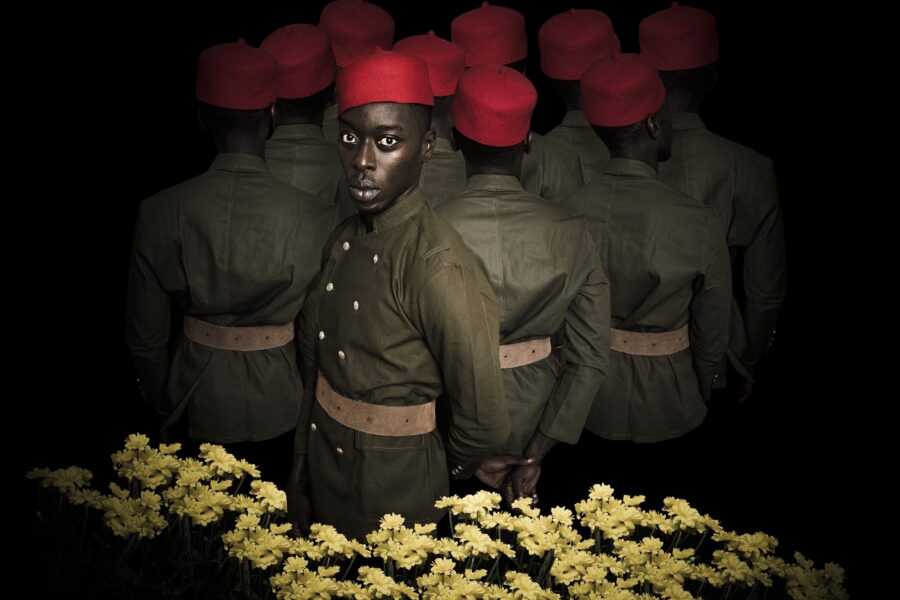
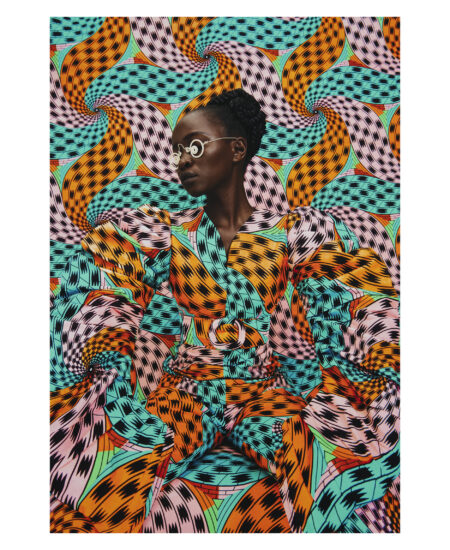
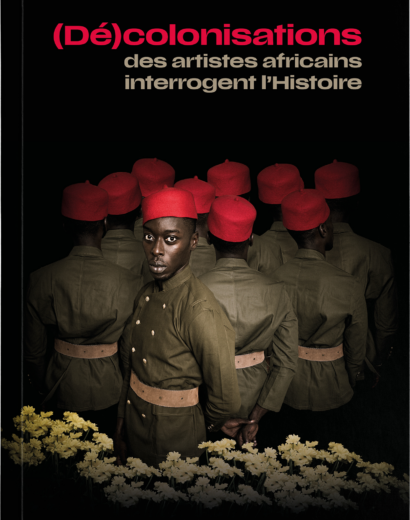
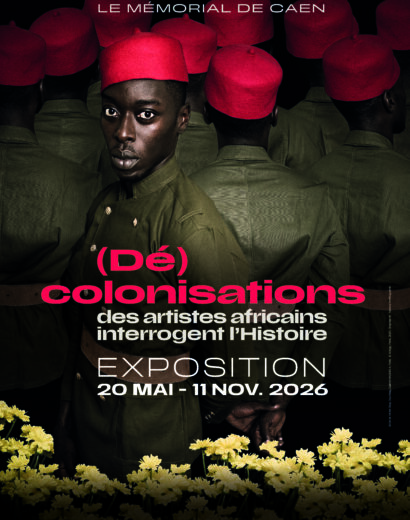
© Omar Victor Diop Thiaroye, 1944, série Liberty, 2016. Galerie MAGNIN-A, Paris.
Scroll down
“You, Senegalese Tirailleurs, my black brothers with your warm hands under ice and death, Who shall sing of you if not your brother-in-arms, your brother in blood?“
Léopold Sédar Senghor, Hosties noires
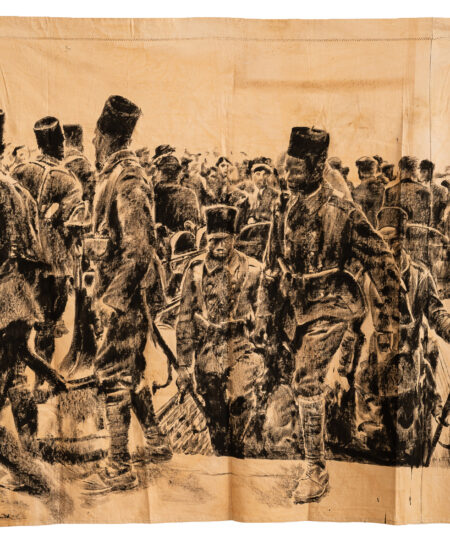
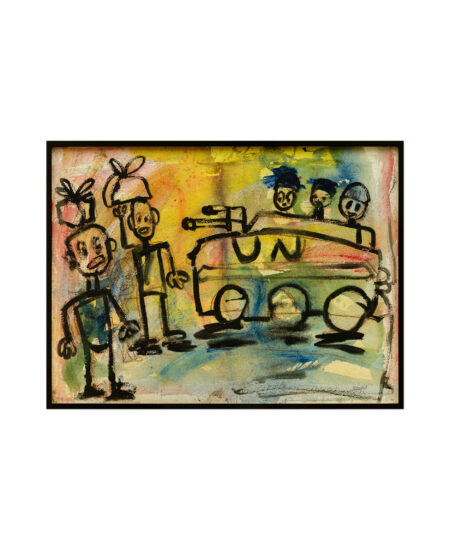
They are unsung heroes. Those know as “Senegalese Tirailleurs” were soldiers in the French colonial army, recruited from the sub-Saharan territories of the Empire.
Willingly or by force, they were enlisted to fight in many wars. Two hundred thousand defended France during the First Wold War. Then, when the Second World War broke out, 179,000 left their countries to fight Nazi Germany alongside the Allied forces, defending freedom in Europe. They took part in decisive battles and perished by the tens of thousands in both wars.
But who knows of their existence, of their feats of arms? Their story carries the bitter taste of oblivion and racism. Unequal treatment, pay, and pensions – the “Senegalese Tirailleurs” endured painful discrimination at the hands of France.
By representing and paying homage to them, artists confront us with their memory and the injustices they endured.
“My mouth will be the mouth of those misfortunes which have no mouth. My voice, the freedom of those who sag in the dungeon of despair.“
Aimé Césaire, Memorandum on My Martinique (1947)
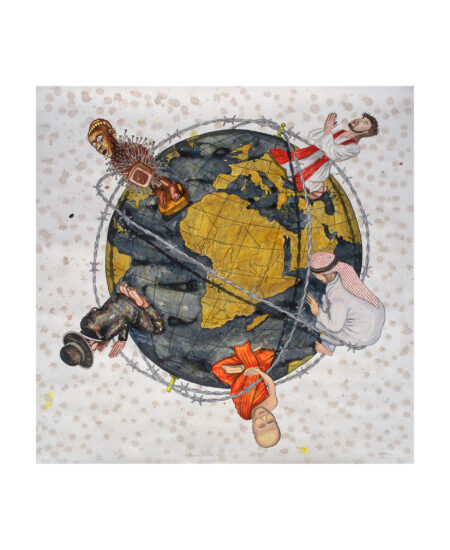
“The order of injustice” – thus did the Senegalese poet and president Léopold Sédar Senghor describe the colonial relationship between North and South. To this, one could add the paradigms of domination, violence, race, destruction, and exploitation.
A traumatic historical sequence following the transatlantic slave trade, colonisation is a major question and theme for artists from the African continent. How does one reclaim one’s narrative and break with imperial history? Nigerian writer Chinua Achebe often recalled a proverb: “Until the lions have their own historians, the history of the hunt will always glorify the hunter”.
Africain intellectuals and artists of postcolonial states have made this proverb their own. Through research, writing and art, they have sought to recover and transmit their history – long denied and despised by colonisers.
The aim is not only to deconstruct and correct imperial history, but also to rebuild African historical consciousness and imagination. However diverse in style and intention, the works presented here contribute to this vast endeavour so thaht, one day perhaps, the order of justice may prevail.
“Would you not resist if you were denied all rights in your own country just because the colour of your skin is different from that of the rules?“
Miriam Makeba, speech to the United Nations, 9 March 1964
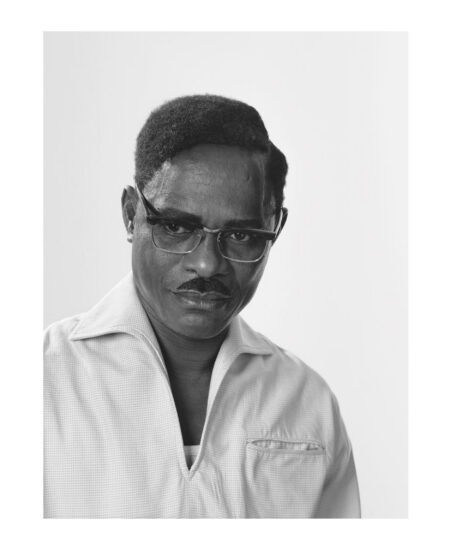
For centuries, the history written by Europeans has focused on their conquests and colonial victories. Few accounts have given space to the figures of resistance that have always existed in Africa and elsewhere. Rebuilding historical consciousness from an African perspective therefore means shedding light on and reintegrating the forms of resistance to colonial and neo-colonial oppression that have arisen from the first conquests to the present day.
Artists help reactive the memory of these struggles in many ways – literary visual, theatrical, photographic and cinematic. They pay vibrant tributes to both famous and forgotten historical figures who opposed the enslavement of peoples, the negation of cultures, and the violence of injustice. They also explore the networks of resistance and exchange that developped during the nineteenth century between Africa, the Americas, Europe and the Caribbean, working towards the liberation of Black people.
Their works do mora than creat counter-narratives: they also help to decolonis the imagination.
“Colonisation sows in the colonised desolation, death, and chaos. But it also sows in them – and that is its most diabolical success – the desire to become what destroys them.“
Mohamed Mbougar Sarr, The Most Secret Memory of Men
“I am not a land of the Diallobé facing a distinct West, cool-headedly weighing what I can take from it and what I must give back in return. I have become both. There is no lucid mind between two poles of a choice. There is a strange nature, in distress for not being two”
Cheikh Hamidou Kane, Ambiguous Adventure (1961)
Thus speaks Samba Diallo, the main character of Cheikh Hamidou Kane’s celebrated 1961 novel Ambiguous Adventure. The young man embodies the identity and cultural rift experienced by generations of Africans during the colonial and postcolonial eras.
For in the wake of independance, African societies – acculturated and hybrid – faced numerous challenges: political, economic, social and cultural. After decades of struggle, power seemed to have officially changed hands… but has the colonial system of domination and exploitation truly ended? Nothing could be less certain. Neo-colonialism, conflict, corruption – the ills of contemporary Africa are many.
Artists are often among the first to depict and denounce them, sometimes at the risk if their lives .Yet the continent’s story is not only one of pain; it also contains against all odds, countless material and immaterial, human and symbolic riches – treasures that artists probe and invite us to discover.
“Each generation must, in relative opacity, discover its mission, fulfil it or betray it.“
Frantz Fanon, The Wretched of the Earth
What should we do today with the colonial legacy – often unjust – that profoundly shapes our lives in Africa, in Europe, and across the world? The history of colonisation and decolonisation is still taught too partially and superficially in most countries. Yet it is urgent to continue and accelerate the decolonisation of European and African societies – and more broadly, of international relations – if we are to work towards a fairer and more sustainable world.
The challenges we face are immense: climate emergency, respect for human rights, the fight for gender equality and against racism, the restitution of looted cultural heritage… As the world seems to enter a new era of disruption and uncertainty, many public and private, peoples who continue to suffer the consequences of (de)colonisations.
In this immense and essential task, artists play a vital role, engaging with these pressing issues and opening new horizons. The world must be rebuilt – and they are its indispensable architects.
“The world today can no longer tolerate the forgetting of a crime or even the faintest shadow cast. The unspoken parts of history must be exorcised so that all may enter the world together, and free.”
Édouard Glissant, A New Region of the World


4,6
23 149 avis